
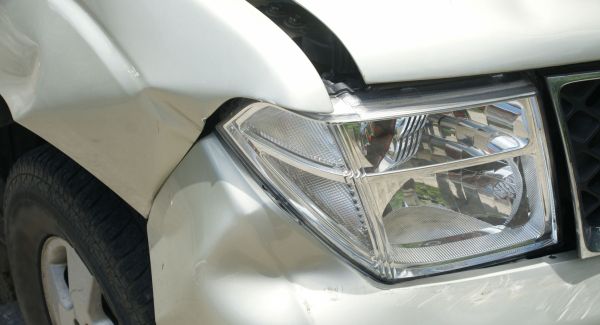
When it comes to collision repair, one of the most important factors that determines how a vehicle is repaired is its structural design. Modern vehicles are typically built with either a unibody construction or a body-on-frame design. Understanding these differences helps drivers know what to expect during the repair process and why repairs vary in cost, complexity, and safety considerations.
What Is a Unibody Construction?
A unibody vehicle is built so that the body and frame are one integrated structure. Most passenger cars, SUVs, and crossovers today are unibody because this design provides better fuel efficiency, lighter weight, and improved safety during collisions. However, because the body and frame are fused, damage in an accident can spread across multiple areas, making repairs more precise and challenging.
What Is a Body-on-Frame Design?
Body-on-frame vehicles, often found in trucks, large SUVs, and some commercial vehicles, are built with a separate frame that supports the body. This design is typically stronger and better for heavy-duty use, towing, and off-road driving. In a collision, damage may be contained to either the frame or the body, which can make certain repairs more straightforward—but frame repairs frequently require specialized equipment and expertise.
Key Differences in Collision Repairs
Structural Integrity and Measuring
- For unibody vehicles, technicians use computerized measuring systems to identify even the slightest frame misalignment. Because the body and frame are one piece, any small shift can impact handling, safety features, and crash protection.
- With body-on-frame repairs, technicians may be able to replace or straighten just the frame section without needing to adjust the body in as much detail.
Repair Costs and Complexity
- Unibody repairs are generally more labor-intensive and require advanced equipment like hydraulic frame machines to restore factory specifications.
- Body-on-frame repairs can sometimes be more cost-effective, especially if only the body panels need replacement, but frame damage can still be extensive and costly.
Safety Considerations
- Unibody designs are engineered with built-in crumple zones to absorb crash energy, so precise repairs are essential to maintain original safety standards.
- Body-on-frame vehicles are more rigid, which means they can withstand heavier impacts, but improper frame repairs may reduce towing capacity and structural strength.
Why Choosing the Right Collision Repair Shop Matters
Not every collision repair shop is equipped to handle both unibody and body-on-frame repairs. Modern collision repair shops rely on specialized frame machines, welding techniques, and manufacturer repair procedures to restore vehicles to their original condition. Working with a certified and experienced team ensures your vehicle maintains its safety features and long-term performance after an accident. That's where we come in!
Whether you drive a unibody car or a body-on-frame truck, the key takeaway is this: structural design directly impacts the repair process. Technicians must use precise measurements, OEM repair guidelines, and specialized equipment to bring your vehicle back to pre-accident condition. If you’ve been in a collision, choose RJ's Auto Body Plus. Our team understands these differences and how they affect the safety and reliability of your repair. Get in touch today by calling (770) 955-5020 or by scheduling an appointment through our website's home page. RJ's Auto Body Plus